Swiss Regulatory Frameworks Guiding Bonus Allocation in Mobile Table Game Ecosystems
Willa Weber · Nov 2, 2026
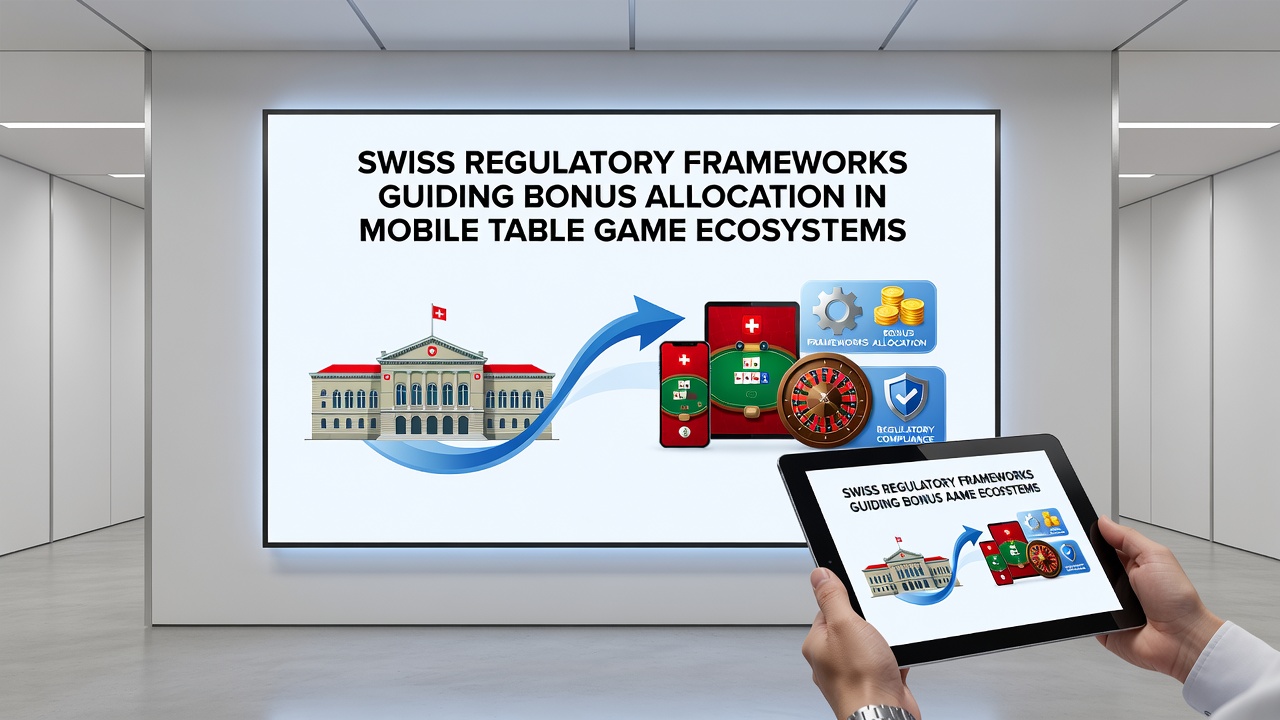
Swiss Regulatory Frameworks Guiding Bonus Allocation in Mobile Table Game Ecosystems
Core Legal Foundations
The Federal Act on Games of Chance and Casinos, enacted in 2019, establishes the primary structure for bonus allocation across all licensed mobile platforms offering table games such as blackjack and roulette, and operators must align promotional systems with strict transparency requirements that separate bonus funds from deposit balances while maintaining detailed audit trails. Data from regulatory filings show that these rules apply uniformly to both domestic and cross-border operators serving Swiss players through mobile applications, creating consistent allocation protocols that limit how quickly bonus amounts convert into withdrawable cash.
Authorities require real-time reporting mechanisms so that every bonus award in mobile table game sessions undergoes automated checks against player activity thresholds, and this process prevents over-allocation in high-volume environments where rapid game rounds occur on smartphones and tablets.
Allocation Mechanics in Mobile Environments
Swiss frameworks mandate that bonus percentages and wagering multipliers remain capped for table game categories because these titles carry different house edges compared to slots, and mobile operators must display these caps clearly within app interfaces before any player accepts an offer. Systems track contribution rates per game type so that roulette or baccarat rounds receive lower weighting toward bonus clearing than certain side bets, which aligns allocation practices with risk management goals set by oversight bodies.
One study revealed that platforms adjusting contribution rates quarterly experience fewer compliance incidents, and this pattern holds steady through November 2026 as updated software integrates player location verification directly into bonus engines. Mobile ecosystems therefore embed geo-fencing alongside bonus ledgers to ensure only eligible users receive allocations tied to Swiss-licensed servers.
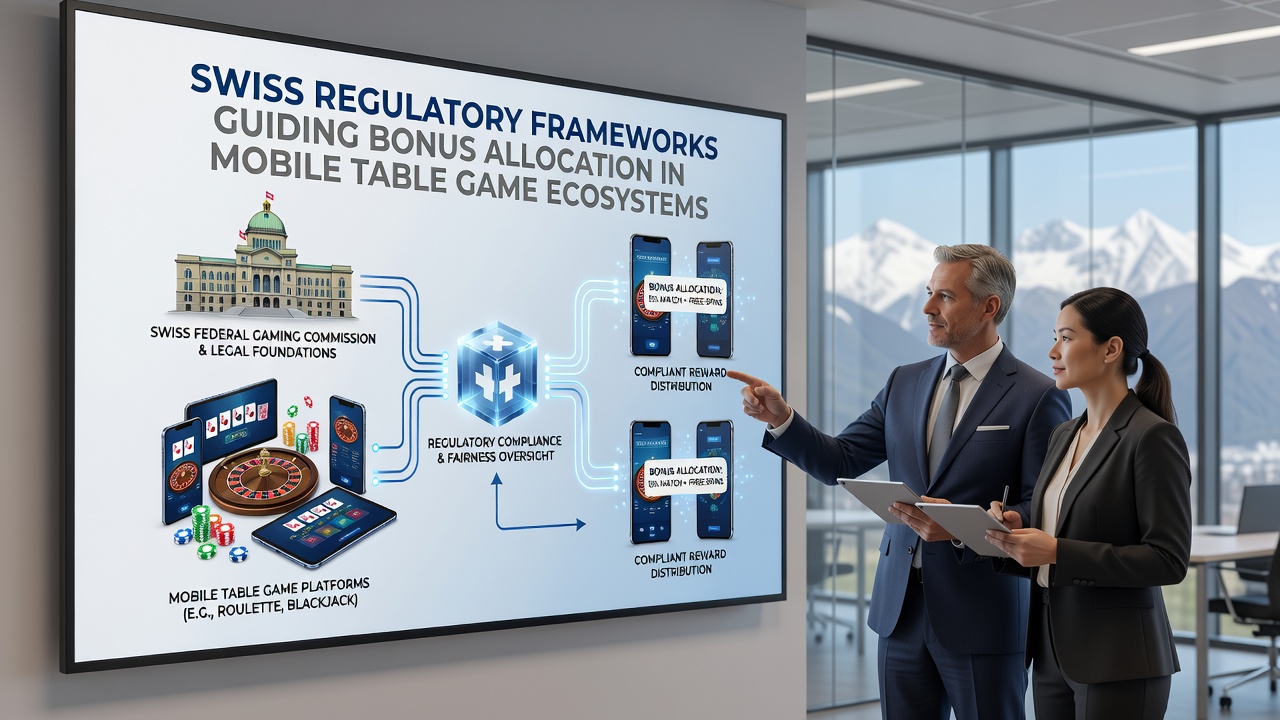
Observers note that allocation engines now incorporate session timers that pause bonus accrual after extended play periods, and this feature addresses concerns about prolonged mobile engagement without interrupting the flow of standard table game rounds.
Compliance Monitoring and Reporting
Monthly submissions to the relevant federal bodies detail every bonus transaction processed through mobile table game applications, and these reports include breakdowns by game variant, device type, and player segment. Figures reveal steady growth in tracked bonus volume between 2024 and 2026, reflecting expanded mobile adoption while maintaining adherence to allocation ceilings that vary by license tier.
Operators integrate third-party verification tools that cross-check bonus claims against deposit histories, and such integrations reduce discrepancies during periodic audits. According to industry reports from the Swiss Federal Gaming Board, automated reconciliation systems now cover over 95 percent of mobile bonus movements, which streamlines oversight without requiring manual intervention for each allocation event.
What's interesting is how these frameworks intersect with data protection standards, requiring anonymized datasets for aggregate analysis while preserving individual transaction records for five years, and this dual approach supports both regulatory review and player dispute resolution processes.
Regional Comparisons and Broader Context
Swiss allocation rules differ from those in neighboring jurisdictions by emphasizing per-game weighting rather than blanket restrictions, and researchers at European gaming institutes have documented how this targeted method influences operator strategies in mobile table game development. A comparative analysis from the Australian Gambling Research Centre highlights parallels in transparency demands, though Swiss implementations place heavier emphasis on real-time mobile tracking due to the compact player base and centralized licensing.
Through November 2026, updates to digital identification protocols further tighten bonus eligibility verification, linking national ID systems directly to app registration flows so that allocation occurs only after multi-factor confirmation.
Conclusion
Swiss regulatory frameworks continue to shape bonus allocation in mobile table game ecosystems through precise contribution rules, automated reporting, and integration with identification standards, and these elements collectively maintain consistent oversight as mobile participation expands. Ongoing refinements ensure that allocation processes remain aligned with the original legislative intent while adapting to technological shifts in device usage and game delivery.